




















Esc

↑↓ to move↵ to open

02Penetration testing

Find the gaps before someone else does.

Penetration testing delivered by CREST accredited specialists who think like attackers. Manual, methodical and written up so your team can act on it.

An ITXpress penetration tester concentrating on two screens in the early evening
Delivered by
CREST accredited specialists
Method
Manual testing, not just scans
Report
Prioritised, with a fix for every finding
Informed by
Live intelligence from our SOC

Offensive security

A real test,
not a scan in a suit.

Automated scanners find the obvious. Attackers don’t stop there, and neither do we. Our consultants use the same techniques as real-world threat actors, guided by what our operations centre is seeing right now.

What you get back is a clear, prioritised report: what we found, how we found it, what it means for the business and exactly how to fix it. Then we sit down and walk you through it.

Two penetration testers working through an engagement together

What’s included

Seven kinds
of test.

Scoped to what you run and what you’re worried about. Most engagements combine two or three.

01

Web application testing

Scoped per application

A thorough test of the applications your customers and staff log in to.

  • Authentication, session handling and access control
  • Injection, logic flaws and data exposure
  • Tested against the OWASP Top 10 and well beyond it

02

External network testing

Scoped per perimeter

Your business as the internet sees it: every service, gateway and login page that faces outwards.

  • Internet-facing services, firewalls and VPNs
  • Remote access and email gateways
  • Exposed and forgotten systems
03

Internal network testing

Scoped per site or network

What an attacker could do once they’re inside, whether through a phished laptop or a rogue device.

  • Privilege escalation and lateral movement
  • Active Directory and identity weaknesses
  • Segmentation between teams, sites and systems
04

Cloud testing

Scoped per tenant or subscription

A configuration and access review of the cloud platforms you depend on.

  • Microsoft 365, Azure and AWS
  • Identity, permissions and conditional access
  • Storage, sharing and exposure to the outside world
05

Mobile & API testing

Scoped per app

Your apps and the APIs behind them, tested the way a determined user would.

  • iOS and Android applications
  • API authentication and authorisation
  • Data stored on the device and sent over the wire
06

Red team operations

Goal-led engagement

A covert, goal-led simulation that tests your people, your processes and your ability to notice.

  • Realistic objectives agreed with your leadership
  • Technology, people and physical routes in
  • A true measure of detection and response
07

Social engineering

Campaign or one-off

The human side of security, tested kindly and measured honestly.

  • Phishing simulations by email, text and phone
  • On-site attempts where you want them
  • Results used to teach, not to blame

Step by step

How a test runs.

  1. 01

    Scope

    A scoping call to agree what’s in, what’s out, the timing and the rules of engagement. You get it in writing before anything starts.

  2. 02

    Test

    Our consultants work through the scope by hand, within the windows we agreed. Anything critical is raised with you straight away, not saved for the report.

  3. 03

    Report

    Every finding is rated, evidenced and paired with a fix. There’s a summary your board can read and the detail your engineers need.

  4. 04

    Walk-through

    We talk you through the results and answer the questions. Once the fixes are in, we can retest to confirm they’ve worked.

On your pane

Cyber Security,
in plain sight.

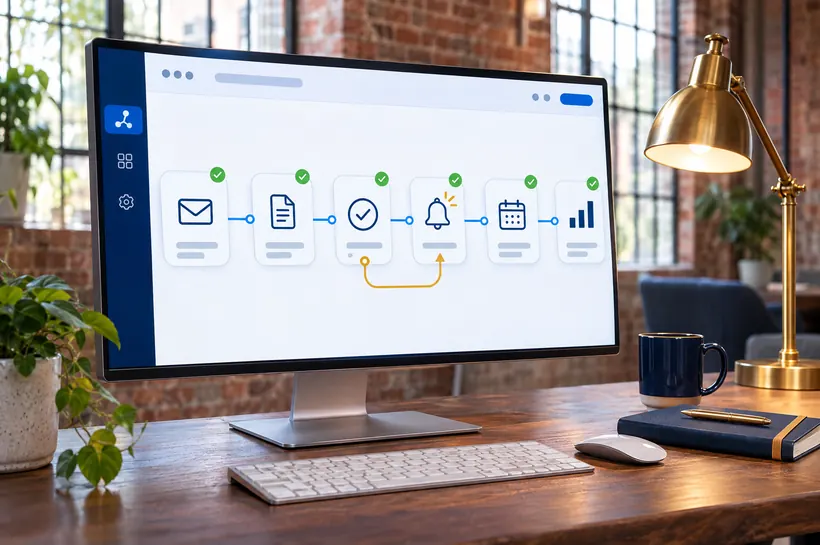
Whatever we do for you here reports back to one place, alongside everything else. No separate portal, no waiting for a monthly PDF: just the current state of things, in plain English.

See the whole pane
Your business/ cyber security
Illustrative view

Good questions

Asked often.
Answered plainly.

Something we haven’t covered? Ask us directly

iHow often should we test?

At least once a year, and after any significant change: a new application, a cloud migration, an office move or a merger. Some standards and insurers set their own minimum.

iiWill testing disrupt our systems?

It shouldn’t. Testing is planned with you, carried out in agreed windows and uses techniques chosen to avoid disruption. If something looks fragile, we stop and talk to you first.

iiiWhat’s the difference between a vulnerability assessment and a penetration test?

A vulnerability assessment is a broad, largely automated look for known weaknesses, ideal as a regular health check. A penetration test goes deeper: a person actively tries to exploit what they find, chaining issues together the way an attacker would.

ivWhat do we get at the end?

A written report with an executive summary, a prioritised list of findings, the evidence behind each one and clear remediation advice, followed by a walk-through with the consultant who did the work.

Talk to us

Ready to see your IT clearly?

Tell us what you have today and what you’d like it to do. We’ll come back with a clear, plain-English answer and no obligation.

Start a conversation

Or email sales@itxuk.com
Already a customer? helpdesk@itxuk.com
Prefer to talk? Call 0330 236 9991 or a local number

An ITXpress consultant being welcomed with a handshake at a customer’s front door